
When we think of a caregiver, we usually think of family.
But new research shows that millions of people are being supported by someone else: a friend or neighbor.
And another national caregiving survey found that 11% of caregivers are supporting someone who is not a relative.
That care can look surprisingly ordinary.
What Does a “Friend Caregiver” Actually Do?
Friends provided an average of 18 hours of help each month, compared with approximately 67 hours provided by family caregivers. They are usually not replacing family or professional support. Instead, they are filling important gaps.
Transportation is one of the biggest.
About two-thirds of caregiving friends help provide rides, while other common forms of support include grocery shopping, helping someone get outside, preparing meals and accompanying them to medical appointments.
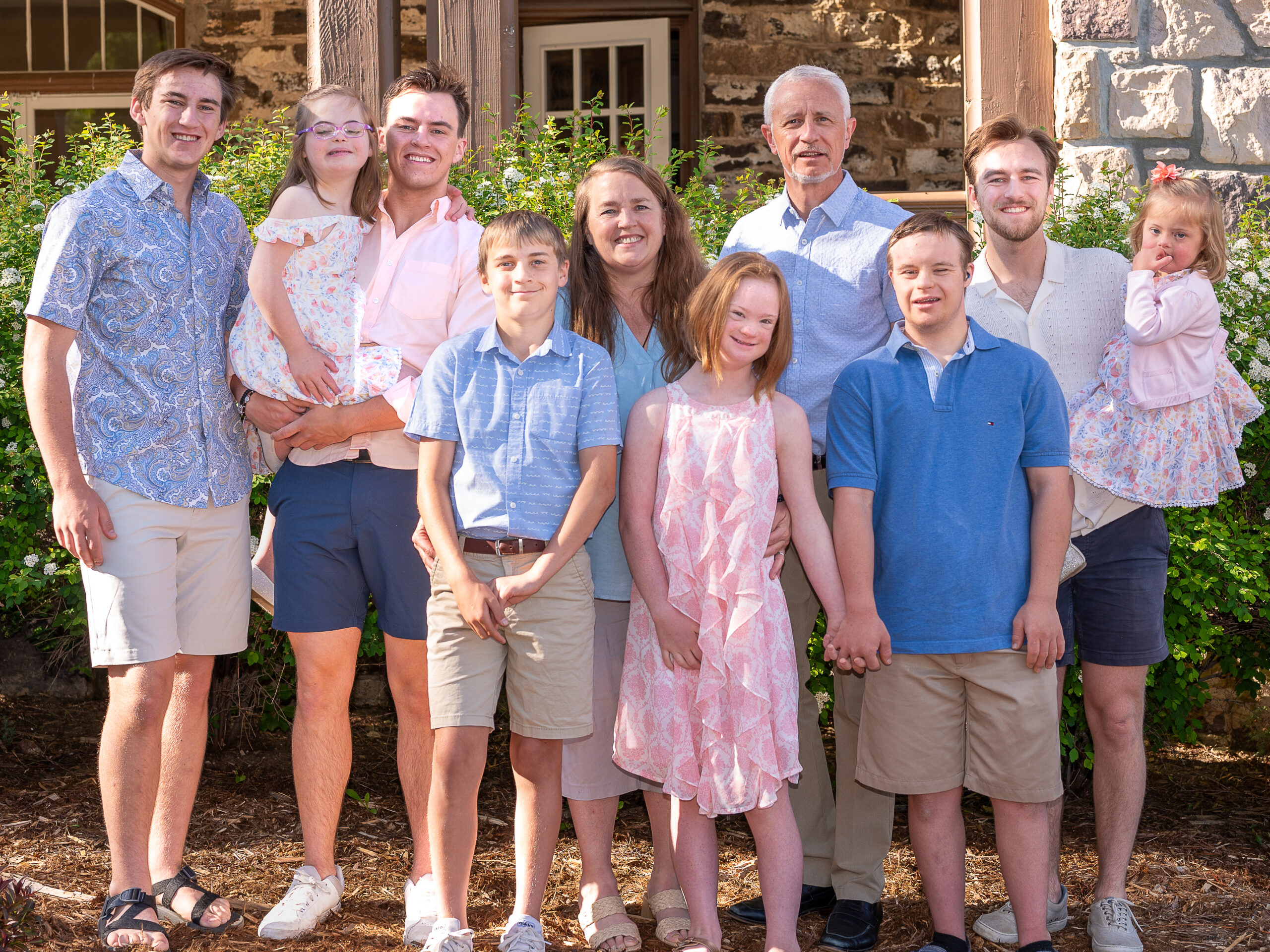
For the McGarrity family, that kind of support has a familiar face.
Jenn has been their neighbor and friend for nearly 19 years. Today, she also supports the family with respite, laundry, transportation and community outings.
What she brings, though, goes beyond the practical help. Jenn also brings nearly two decades of friendship, familiarity and stability.
Her story is a real-life example of something the research is beginning to put numbers behind: sometimes an important part of a family’s support system is someone who was already part of their life.
Care Doesn’t Have to Come From One Person
The numbers point to something important for people with disabilities and their families: a strong support system does not have to depend entirely on one caregiver.
Family members, friends, neighbors, direct support professionals, providers, faith communities and other trusted people can all play different roles.
Friends are also much less likely than relatives to provide intimate personal care such as bathing or dressing. Their role tends to be complementary—adding another layer of practical help, companionship and connection around the person receiving support.
And when family members are providing most of the day-to-day care, researchers note that support from friends can help ease some of that burden.
The Bigger Picture
2.4 million caregiving friends is more than an interesting statistic.
It is a reminder that care often extends far beyond traditional definitions of family.
At JMJ Community Partners, we believe a full life includes more than having someone’s basic needs met. It includes relationships, independence, belonging and meaningful connection to the community.
Sometimes that support comes from family. Sometimes it comes from professionals.
And as Jenn and the McGarrity family show us, sometimes it comes from a friend who simply keeps showing up.
Leave a Reply